Removals guide Hounslow TW3 narrow streets planning tips
Posted on 26/05/2026 by David Proffitt
Moving home or office in TW3 can feel straightforward on paper, then suddenly complicated the moment you see a tight side road, a parked car blocking the kerb, or a van that looks just a little too big for the street. That is exactly why a Removals guide Hounslow TW3 narrow streets planning tips article matters. In a place like Hounslow, the difference between a calm move and a stressful one is usually not luck. It is planning, timing, and knowing how local access really works.
This guide walks you through the practical side of moving in narrow streets: how to assess access, choose the right vehicle, avoid parking headaches, protect your furniture, and keep the day moving without needless delays. If you are comparing service options too, you may also want to look at removals in Hounslow and the broader services overview to see what kind of support fits your move best.
Truth be told, narrow streets are not a deal-breaker. They just ask for a bit more thought.

Why Removals guide Hounslow TW3 narrow streets planning tips Matters
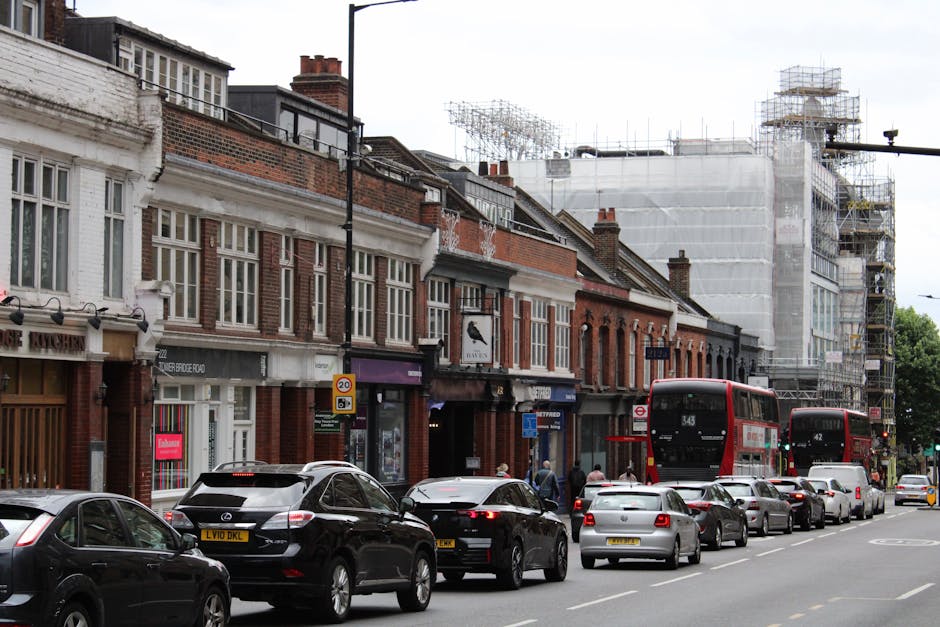
Narrow streets change everything about a move. Not the whole job, necessarily, but enough to catch people out. Access can be tighter, loading space can vanish fast, and a van that is perfect on a normal road may become a nuisance on a smaller one. In TW3, where you can run into residential roads, one-way layouts, parked vehicles and busy local traffic, a good removals plan saves time and stress in ways that are easy to underestimate.
The real issue is not just whether a van can physically get near your door. It is whether the whole chain works: parking, carrying distance, neighbour access, stairwells, lift use, protected flooring, and the timing of your loading window. Miss one of those and the day starts to stretch. Suddenly your move that should have been a clean half-day run becomes a long, tiring scramble.
For people moving into a flat or terrace in the area, that planning step is especially important. If you are moving from or into a smaller property, the advice in flat removals in Hounslow can be useful because flats and narrow streets tend to overlap in all the awkward ways. Likewise, those arranging a full house move may want to compare with house removals Hounslow for a broader view of what support makes sense.
Another reason this matters: a poorly planned move can create avoidable friction with neighbours and passers-by. Nobody wants a van double-parked outside for ages while someone hunts for a trolley or tries to angle a sofa round a gate post. The better route is simple: assess the street properly, prepare the load properly, and pick the right vehicle and crew for the access conditions.
How Removals guide Hounslow TW3 narrow streets planning tips Works
The method is straightforward, even if the details need care. You start by understanding the property and street, then match the move to the access available. After that, you decide how to protect items, how to load them, and what timing will reduce pressure. In removals, especially in tighter parts of Hounslow, success is usually about reducing unknowns.
A sensible planning process often looks like this:
- Check the street width, parking options, and turning space.
- Measure awkward furniture and stair or corridor access.
- Choose a van size that fits the area, not just the contents.
- Reserve or confirm loading arrangements early where needed.
- Pack the items so carrying distance and handling time are reduced.
- Set the move for a time when traffic and local disruption are lower.
That sounds almost too simple, but it works. In our experience, the most difficult moves are often the ones where someone says, "It'll be fine, we'll just see on the day." That approach is brave, but not especially efficient.
If you need a team that already understands how local moves are handled, it is worth reviewing man with a van Hounslow and man and van Hounslow options, especially if your street is too tight for a larger removal vehicle. For heavier or more structured jobs, a dedicated removal van in Hounslow may be more appropriate.
Another thing people forget: narrow streets often mean a longer carry from van to front door. That changes how many crew members you need, how much protection you use, and how you sequence the loading. A 20-metre carry is not the same as a 2-metre carry. Not even close.
Key Benefits and Practical Advantages
Good planning in narrow streets gives you more than convenience. It protects the whole move from small delays that compound into big ones. And once the day starts getting messy, recovery time costs energy and sometimes money too.
Here are the main benefits of planning properly:
- Less risk of vehicle access problems - you avoid discovering too late that a van cannot comfortably reach the property.
- Faster loading and unloading - reduced carrying distance and clearer access mean less wasted time.
- Lower chance of damage - tighter spaces make furniture and walls more vulnerable, so planning helps protect both.
- Better neighbour relations - fewer blockages and a shorter kerbside presence are simply more considerate.
- Less stress on moving day - that matters more than people think, especially when you are juggling keys, boxes and deadlines.
There is also a cost angle. A poorly planned move may take longer, require extra handling, or force a second trip. A smart plan can reduce the chance of paying for unnecessary labour time. If budget clarity matters, start by checking pricing and quotes early so the job is matched to the actual access conditions, not a rough guess.
And then there is peace of mind. Small thing, maybe. But it matters when you are standing in a hallway with half a kettle packed and a wardrobe that will not quite make the turn upstairs.
Who This Is For and When It Makes Sense
This kind of planning is relevant to a lot more people than you might expect. Narrow street access is not just a problem for big family homes or commercial buildings. It affects studio flats, terraces, shared houses, small offices, and student moves too.
You will probably benefit from this guidance if you are:
- moving within TW3 or nearby and know the road is tight;
- facing limited parking outside your property;
- moving furniture through narrow hallways, stairs, or shared entrances;
- planning a same-day move with little room for error;
- moving larger items such as wardrobes, desks, pianos, or sofas;
- trying to avoid disruption to neighbours, tenants, or customers;
- working around building access rules, lift bookings, or time slots.
Students moving into smaller accommodation often find this especially relevant. The same goes for people in flats, where access can be awkward even before you factor in the street. If that sounds familiar, take a look at student removals Hounslow and packing and boxes Hounslow for practical support that keeps things compact and manageable.
It also makes sense for office or small-business moves. A narrow road outside a workspace can slow down equipment loading, especially if staff and customers still need to get in and out. In those cases, you are not just moving objects. You are managing access, timing, and business continuity at the same time.
Step-by-Step Guidance
Here is a practical way to approach a move in a narrow Hounslow street without overcomplicating it.
1. Survey the street before you book
Do a quick but proper check. Walk the route from the nearest likely stopping point to your front door. Look for pinch points, low branches, parked cars, uneven kerbs, and any places where a van might have to reverse or turn awkwardly. A short video on your phone can be helpful here, because what looks "fine" in the moment may not look fine when you watch it back.
2. Measure the items that usually cause trouble
Measure the tallest, widest, and heaviest pieces first. Sofas, mattresses, wardrobes, white goods, and desks are the usual suspects. If a piece barely cleared the hallway last time, do not assume it will suddenly behave. For delicate or oversized items, specialist support can save a lot of drama; that is where furniture removals Hounslow and, for specific instruments, piano removals Hounslow become very relevant.
3. Match vehicle size to access
Larger is not always better. In narrow streets, a more manoeuvrable vehicle may be the smarter choice, even if it means an extra load discipline. If access is tight, speak to a provider that can advise on the right setup rather than just the biggest van available. You want the van to fit the road without turning the whole street into a puzzle.
4. Plan the loading order
Put the items you will need first near the exit and load in an order that reduces shuffling. Heavy items should not end up boxed in by fragile ones. Good loading is less about speed and more about not having to undo your own work three times. A surprisingly common mistake is packing in the order things were found, which is efficient emotionally, but not practically.
5. Time the move carefully
Traffic, school runs, bin day, and commuter flow all make a difference in a place like Hounslow. Mid-morning or early afternoon can sometimes be calmer than very early or late peak periods, though the best choice depends on your exact road and building rules. If your move is urgent, a same day removals Hounslow service may help, but only if the access plan is still realistic.
6. Protect the route inside and outside
Use covers, blankets, floor runners, and corner protection where needed. Narrow corridors and stairwells are unforgiving. A small scuff can happen in seconds, especially when people are tired and carrying something bulky. Better to prevent it than apologise for it later.
7. Build in a little buffer
Not a huge one, just enough. Ten or fifteen extra minutes can be the difference between a calm handover and a tense rush. If the street is especially awkward, add more. Nobody likes waiting, but nobody likes a badly rushed move either.
Expert Tips for Better Results
Some tips sound small until you use them. Then they turn out to be the thing that kept the day on track.
- Use two-way communication early: the person on site and the person booking the move should be describing the same access conditions. A "narrow road" can mean very different things to different people.
- Take photos from the van's perspective: stand where the vehicle would stop and look at the route. That perspective often reveals more than a general street view.
- Leave a clear path in the property: a tidy doorway and cleared hallway make a real difference when every turn counts.
- Label boxes by room and priority: it sounds basic, but in a tight move, basic wins.
- Keep essentials separate: keys, chargers, documents, medication and kettle stuff should not disappear into a random box. You will want them quickly.
Another useful trick is to pre-decide what is not worth moving immediately. Some items are better stored temporarily than jammed into a tight move under pressure. If that situation applies, storage in Hounslow can be a sensible safety valve, especially when access constraints and timing do not line up neatly.
To be fair, not every move needs military-level precision. But a little discipline goes a long way. A lot of way, actually.
Common Mistakes to Avoid
Most move-day problems in narrow streets are predictable. That is the good news. The less good news is that people keep repeating them anyway.
- Assuming the van will fit without checking - street width, parked vehicles and turning space all matter.
- Forgetting about carry distance - a parked van down the road may still be workable, but it changes labour, timing and fatigue.
- Booking too late in the day - by then traffic, parking pressure and everyone's energy can be worse.
- Underestimating bulky items - a sofa or wardrobe can turn a simple turn into a small engineering problem.
- Not checking building rules - some flats and office blocks have access windows, lifts or restrictions that need advance planning.
- Ignoring protective materials - damage in narrow spaces usually happens on corners, thresholds and stair edges.
- Overfilling boxes - heavy boxes make tight carrying routes much harder and more dangerous.
There is also a subtle one: trying to save a little money by using the wrong size vehicle or a too-small team. Sometimes that works out fine. Sometimes it becomes the expensive option. Funny how that happens.
Tools, Resources and Recommendations
A few simple tools can make a narrow-street move much easier.
| Tool or Resource | What it Helps With | Why It Matters in TW3 Narrow Streets |
|---|---|---|
| Measuring tape | Furniture and doorway dimensions | Helps you avoid items that will not clear tight access |
| Phone camera | Street photos and route checks | Useful for sharing access details before the move |
| Furniture blankets | Surface protection | Reduces scuffs and knocks in cramped spaces |
| Floor protection | Hallways and entrances | Protects floors when repeated carrying is needed |
| Box labels | Room sorting and priority handling | Speeds up unloading when space is limited |
| Parking and access notes | Local loading strategy | Helps the crew plan where to stop and how to work safely |
For general guidance on move preparation, the removal services Hounslow page is a useful starting point. If you want to understand service range and what is included, man with a van Hounslow can be a good fit for lighter, access-sensitive jobs, while office removals Hounslow is more relevant for business moves that need structured handling.
One practical recommendation: keep all move notes in one place. A single document with addresses, access instructions, contact numbers, and item list saves a surprising amount of stress. Simple. Almost too simple.
Law, Compliance, Standards, or Best Practice
For a move like this, the main compliance issues are usually practical rather than highly technical. You are not usually dealing with complex legal steps on a domestic move day, but there are still important standards and best practices to respect.
Common expectations include:
- parking and loading responsibly, without blocking emergency access or causing unnecessary obstruction;
- following building rules around lifts, access times and shared areas;
- handling items safely to reduce the risk of injury or damage;
- being considerate to neighbours, especially in narrow residential roads;
- using suitable insurance and safety practices for the work being done.
If you are comparing providers, it is reasonable to ask how they handle safety, vehicle suitability and customer property protection. Pages like insurance and safety, health and safety policy, and terms and conditions are there to help customers understand what standards to expect. That kind of transparency is a good sign, honestly.
For services involving payment handling, it is also reassuring to review payment and security. Not because every move is risky, but because a clear process is one less thing to worry about when you already have enough on your plate.
Options, Methods, or Comparison Table
Different moves in narrow streets call for different approaches. There is no one-size-fits-all answer, which is exactly why comparing methods helps.
| Method | Best For | Pros | Trade-offs |
|---|---|---|---|
| Small van / man and van | Light to medium moves, tight access, short carries | More manoeuvrable, often easier on narrow roads | May need more than one load for larger homes |
| Standard removal van | Typical house moves with manageable access | Good balance of capacity and efficiency | Can be awkward on the tightest roads |
| Specialist item service | Bulky, fragile, or high-value items | Extra care and appropriate handling | Usually focused on specific items rather than full-house moving |
| Staged move with storage | When access or timing is complicated | Reduces pressure and allows flexible timing | Needs planning and may involve an extra step |
For many people in TW3, the small-van or man-and-van approach is the most practical starting point. That said, if you are moving a whole household, a larger and more structured service may be better. The right choice depends on access, volume and the type of items involved, not just the postcode.
Case Study or Real-World Example
A common real-world scenario in TW3 goes something like this: a couple moves out of a first-floor flat on a residential street where parking is tight and the road is just wide enough for one vehicle to pass at a time. On paper, they own a manageable amount of furniture. In practice, there is a sofa with awkward arms, a bed frame that only comes apart partly, and a staircase with a sharp turn at the landing.
Because they checked access in advance, the move team arrived with a more compact vehicle instead of a larger van that would have made the street harder to use. They packed the hallway furniture down early, protected the stair edges, and placed the boxes by room so the unloading was clean. The van could stop close enough to cut carrying time without fully blocking the road. Nothing dramatic happened, which is exactly the point. The day felt controlled, a bit busy, but manageable.
Now imagine the opposite. No street check, too much optimism, and a large van parked awkwardly while people keep shifting it back and forth to let traffic through. That version usually feels longer, colder, and far more tiring by 4pm. Moving day already has enough emotion in it. You do not need extra chaos.
That is why local knowledge matters. The roads, the parking habits, the building layouts, the timing. All of it adds up.
Practical Checklist
Use this checklist before moving day. It is deliberately simple, because simple gets used.
- Confirm exact addresses and access details for both properties.
- Measure large furniture and note anything that may need disassembly.
- Check whether the street can comfortably take the planned van size.
- Review parking options and any building loading restrictions.
- Prepare protective materials for floors, corners and fragile items.
- Pack essentials separately and label boxes clearly.
- Keep keys, documents and phone chargers with you.
- Tell neighbours or building managers if the move is likely to affect access.
- Plan the move time to avoid the busiest local traffic where possible.
- Have a backup idea if parking or access changes on the day.
Expert summary: in narrow Hounslow streets, the move is won before the van arrives. If access is checked, vehicle size is sensible, and the load is organised, the day usually feels far calmer than people expect.
If you are still shaping the move, the next sensible step is to compare your property type, item list and access conditions against the service that fits best. For more background on the local area and why people choose to settle here, you may also find what makes Hounslow a good home and a closer look at Hounslow helpful when planning a move into the borough.
Conclusion
Moving in TW3 narrow streets is absolutely doable, but it rewards careful planning. The best results come from checking access early, choosing the right vehicle, packing with the route in mind, and leaving enough room for real-life complications. That is the whole game, really.
Whether you are moving a flat, a family home, or a small office, the same principle applies: the more honestly you assess the street and the property, the smoother the move will be. And if your move involves bigger or more awkward items, it is worth looking at specialist support such as furniture removals or piano removals so the right handling is in place from the start.
Get a free quote today and see how much you can save.
Small street, big move, still manageable. With the right plan, it can feel surprisingly calm by the end of the day.