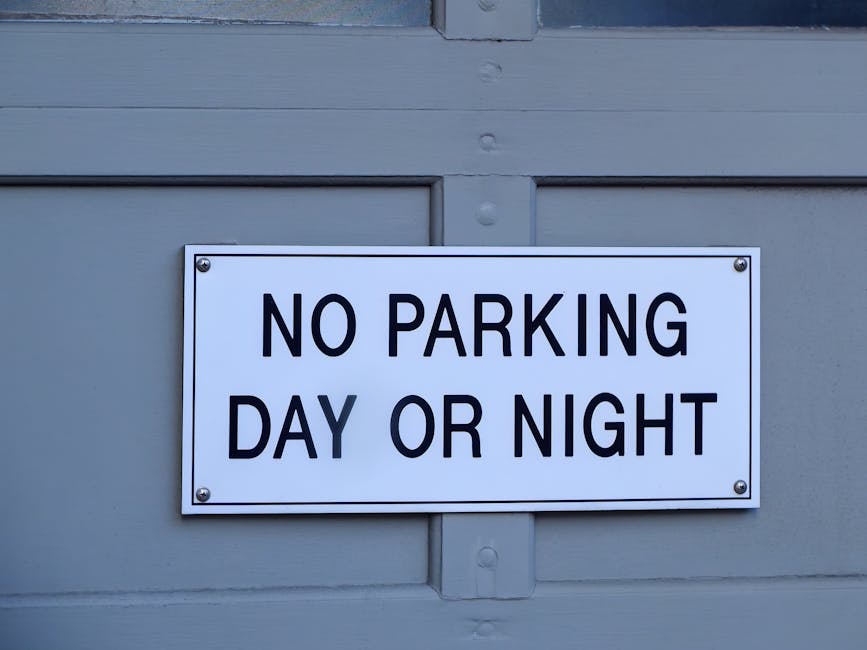
Hounslow Council street parking rules for moving vans: a practical guide for a smoother move
If you are moving in or out of Hounslow, street parking for a van can become the part that causes the most stress. The boxes are packed, the kettle is somewhere in a carton, and then suddenly you are wondering whether the moving van can stop outside the house, how long it can stay there, or whether you need to think about permits, bays, or temporary loading arrangements. Hounslow Council street parking rules for moving vans are exactly the kind of detail that can make a move feel calm or chaotic.
This guide breaks the subject down in plain English. You will learn how on-street parking typically works for moving vans, what to check before moving day, which mistakes tend to trigger fines or complaints, and how to plan a cleaner, safer loading process. It is written for real moving days, not just theory. Because let's face it, nobody wants to argue with a traffic warden while holding a sofa.
- Why these parking rules matter
- How on-street parking for moving vans works
- Key benefits and practical advantages
- Who needs this and when it makes sense
- Step-by-step guidance
- Expert tips for better results
- Common mistakes to avoid
- Tools, resources and recommendations
- Law, compliance, standards and best practice
- Options, methods or comparison table
- Case study or real-world example
- Practical checklist
- Conclusion
- Frequently asked questions
Why Hounslow Council street parking rules for moving vans Matters
A moving van is not just another vehicle passing through. It often needs a short-term pause, easy access to the front door, and enough space to load furniture without blocking neighbours or disrupting traffic. In a busy borough like Hounslow, that can matter a lot. Some streets are narrow, some have controlled parking zones, and some have enough daily activity that a van parked carelessly becomes a problem within minutes.
The rules matter for three reasons. First, they help you avoid penalties or enforcement action. Second, they reduce friction with neighbours and other road users. Third, they protect the rhythm of your move. A van that has to keep circling the block, or move every few minutes, slows everything down and adds unnecessary strain. If you have ever watched a bed frame disappear into a doorway while the driver is double-checking whether the bay is valid, you already know the feeling.
There is also a hidden benefit: good parking planning makes the entire move look professional. That is especially useful for larger house moves and office moves, where timing and access are tied together. If you are using a man with van service or arranging a full move through removal services, the parking plan should be treated as part of the job, not an afterthought.
Expert summary: the safest approach is to treat the parking space as a move-critical resource. Confirm access, check restrictions, and plan loading windows before a single box is carried downstairs.
How Hounslow Council street parking rules for moving vans Works
In practice, the street parking rules for a moving van usually depend on the type of street, the time of day, and the parking controls in force. The broad idea is simple: a van may be able to stop briefly for loading or unloading, but that does not automatically mean it can stay wherever it likes for as long as you need. Controlled bays, permit bays, single yellow lines, double yellow lines, timed restrictions, and residential parking controls all shape what is allowed.
What catches people out is that loading and parking are not the same thing. A van may be permitted to load for a reasonable period in a restricted area, but only if the activity is genuine, continuous, and not blocking safety or access. If the crew disappears for a tea break and the van is just sitting there, that is where trouble begins. The exact position can vary by street, sign, and local restrictions, so it is worth checking conditions carefully rather than assuming a standard rule will fit every road in Hounslow.
A sensible moving plan usually considers these points:
- whether the street is in a controlled parking zone;
- if there are resident permit bays or visitor bays;
- whether loading is allowed and for how long;
- if suspension of parking bays is needed for the day;
- how close the van can safely get to the entrance;
- whether the road is wide enough for a safe stop;
- how the move will work during school runs, rush hour, or bin collection times.
If you are handling a home move, a good place to start is to think about the actual access on the day. A terraced street in Hounslow during a wet weekday morning feels very different from a quiet cul-de-sac on a Sunday. The rules are one thing. The lived reality is another. That gap is where many delays happen.
Key Benefits and Practical Advantages
Following the parking rules properly does more than keep you compliant. It gives the move structure. Once the van is legally and sensibly positioned, the whole chain becomes easier: carry distances shorten, loading is faster, and the team can work with fewer interruptions.
Here are the main benefits:
- Less risk of fines or complaints. This is the obvious one, but still the most expensive mistake people make.
- Faster loading and unloading. A van parked close to the property saves steps, time, and backache.
- Better safety. Shorter carry distances mean fewer chances to trip, drop items, or strain yourself.
- Less neighbour friction. A tidy, predictable parking setup tends to go down much better on a busy street.
- More predictable scheduling. When access is sorted early, the rest of the move can follow the plan instead of improvising.
There is also a commercial advantage if you are moving an office or relocating stock. A short, organised loading window can reduce downtime. That is why many businesses pair parking planning with services such as office relocation services or commercial moves. It is not glamorous, but it works.
To be fair, parking planning often gets less attention than packing, boxes, or whether the sofa will fit through the door. Yet on moving day, it is the thing you keep coming back to.
Who This Is For and When It Makes Sense
This topic matters for anyone arranging a vehicle stop on a Hounslow street for the purpose of moving household or office goods. That includes homeowners, tenants, landlords, students, office managers, and removal teams. It also applies if you are using a smaller vehicle and prefer a man and van style move rather than a larger truck.
It makes the most sense when you need one or more of the following:
- front-door access for carrying heavy items;
- temporary stopping near a flat, maisonette, or terraced property;
- loading from a bay or restricted street;
- a coordinated arrival time for multiple helpers;
- an early morning or evening move when parking conditions may differ.
People often ask whether these rules matter for short jobs. The answer is yes, sometimes more so. A quick furniture collection can be derailed by a badly chosen parking spot, especially in a road where turning space is tight. If you are arranging a one-off collection, the practical setup can be just as important as the item itself. For that kind of move, it may be worth reviewing furniture pick up options too.
If you are moving flats above street level, or dealing with awkward access, the need for planning becomes even stronger. Every extra metre from the van to the front door feels longer when you are carrying a wardrobe in drizzle. Strange how that works.
Step-by-Step Guidance
Here is a practical way to approach the parking side of a move in Hounslow. Keep it simple and do the checks in order. Most problems happen because someone assumes the last step will sort itself out.
- Check the street layout. Look at the road outside the property and note whether it is narrow, busy, one-way, permit-controlled, or bay-controlled.
- Read the signs on the street. Do not rely on memory. Parking restrictions can vary from one side of the road to the other, and sign wording matters.
- Plan loading and unloading times. If the move needs a specific arrival window, make sure the van is likely to have legal access then.
- Consider whether a bay or permit arrangement is needed. For longer stops, this may be more useful than hoping for a free space.
- Talk to the moving team early. The driver should know what the access looks like before setting off, especially if you are using moving van support or larger vehicle hire.
- Keep the loading route clear. Park position is only half the battle. Wheelie bins, bikes, and even a neighbour's temporary delivery can get in the way.
- Have a backup plan. If the first parking spot is not workable, know where the van can stop instead. A nearby side street can save the day.
- Brief everyone involved. Helpers should know where to stand, where items go, and how long the van can remain in place.
If the move is more involved, especially for a whole house or office, a professional crew can help reduce the friction. People often combine this planning with house removals or office removals so the access plan and the lifting plan are aligned.
One small but useful habit: take a few photos of the parking area, signs, and approach route the day before. It sounds simple, but it can be the difference between calm and confusion the next morning.
Expert Tips for Better Results
After enough moving days, a few patterns become very clear. The best outcomes usually come from the boring stuff being done well. Here are the tips that consistently help.
- Arrive early, not just on time. Parking is easier before the street fills up.
- Load the van in order. Heavy, bulky items first. You do not want to keep reshuffling everything because the mattress is buried under half the kitchen.
- Use a spotter if the road is tight. One person guiding the driver can make parking safer and faster.
- Keep permits, confirmations, and paperwork handy. If anyone asks questions, you are ready.
- Protect neighbour relationships. A quick knock on the door or polite note can prevent grumbling later.
- Think about weather. Rain changes everything. Wet floors, slower carrying, more slipping. Very British, and very real.
There is also a planning lesson here: if you know the property has awkward access, choose a service that is used to local moving conditions. A flexible team with the right vehicle can be more valuable than simply finding the cheapest quote. If you are comparing service levels, it can help to look at removal company options alongside the practical support you need.
And one small honest truth: the people who say "we'll just sort parking on the day" are usually the same people standing in the road twenty minutes later, looking mildly haunted.
Common Mistakes to Avoid
Here is where many moving jobs go wrong. The mistakes are ordinary, which is exactly why they are dangerous. They feel harmless at first.
- Assuming loading is always allowed. It is not. You must check the actual street restrictions.
- Leaving the van unattended for too long. Genuine loading is one thing; parking and disappearing is another.
- Blocking driveways or junctions. Even a short block can create complaints or safety issues.
- Ignoring the time of day. A street that is fine at 10 a.m. might be hopeless at school-run time.
- Not warning the moving team about access issues. That leaves the driver to improvise, which is never ideal.
- Forgetting that larger vehicles need more room. A van that seems "small enough" can still be awkward on a tight residential road.
Another common issue is underestimating how long the move will take. Packing delays, missing keys, lift access, or a neighbour's parked car can all eat into your parking window. If the day runs long, even a perfectly legal stop can become a problem if it was only planned for an hour.
Truth be told, the safest moves are rarely the most exciting ones. They are the ones where the parking plan is dull, visible, and already agreed before anyone starts lifting.
Tools, Resources and Recommendations
You do not need a complicated toolkit, but a few practical items make this process easier.
- Phone camera. Use it to photograph signs, road markings, and the exact parking area.
- Moving checklist. A written list keeps everyone aligned when the day gets busy.
- Timer or phone reminder. Handy if you need to keep track of a loading window.
- Printed address and access notes. Always useful if the driver loses signal or the battery is low.
- Protective gear. Gloves, sensible shoes, and rain protection can save a lot of discomfort.
If you want the move handled more smoothly, consider using a service that supports planning as well as transport. The pages for movers, removals, and removals near me are useful starting points if you are comparing options and trying to decide how much help you actually need.
It can also help to review how the company handles safety, payment, and customer expectations before booking. Those details matter more than many people realise. For example, a well-run move is usually supported by clear health and safety policy, sensible insurance and safety arrangements, and straightforward pricing and quotes. Not exciting, no. Still useful.
Law, Compliance, Standards, or Best Practice
Parking for a moving van is one of those everyday tasks that sits at the intersection of road rules, local restrictions, and common sense. You do not need to become a parking-law expert, but you do need to respect the signage and the restrictions that apply on the street.
The safest best practice is:
- assume the visible signs on the street control what is allowed;
- do not rely on what neighbours say is "usually fine";
- check whether the road is part of a controlled zone;
- treat loading activity as time-sensitive and genuine;
- avoid causing an obstruction, even briefly;
- keep safety and access in mind for pedestrians, cyclists, and other vehicles.
In a moving context, professionalism means more than just arriving with the right vehicle. It means showing that you have thought about access, timing, and street conditions in advance. That is especially important for house or business relocations, where the delivery chain can be disrupted by one badly placed van.
If you are comparing services, it may be worth looking at how the business presents itself and what standards it publishes. Pages such as about us, terms and conditions, and recycling and sustainability can help you judge whether the operation is organised and transparent. No one wants surprises on moving day. Not the good kind, anyway.
Options, Methods, or Comparison Table
Different moves call for different parking approaches. Here is a simple comparison to help you choose the most practical method.
| Method | Best for | Pros | Watch-outs |
|---|---|---|---|
| Brief roadside loading | Small or quick moves | Fast, simple, often nearby | Can be limited by restrictions and traffic |
| Bay or permit-based stop | Longer loading periods | More controlled and predictable | May require planning or approval in advance |
| Nearby side-street parking | Tight main roads | Can reduce obstruction and pressure | Longer carry distance |
| Professional coordinated move | Households or offices with more items | Better timing, better handling, less stress | Needs clearer preparation and communication |
For many households, the sweet spot is a coordinated, short-stay loading plan with a van that can get as close as possible without causing disruption. For larger jobs, especially if furniture is heavy or access is awkward, a more structured approach is usually worth it. That might mean arranging man and van removals or a more complete removal company service. Both can work well, depending on scale.
Case Study or Real-World Example
Imagine a typical move from a first-floor flat on a residential street in Hounslow. The tenant has packed most things by the night before, but there is still a sofa, a bed base, and several boxes of kitchenware. The street has resident bays and a short stretch of single yellow line. On the day, the van arrives just after 8 a.m., before the road gets busier.
Because the parking plan was checked in advance, the van is positioned where loading is allowed and safe. Two people carry boxes down in a steady rhythm. No one is rushing. No one is moving the van every ten minutes. The driver knows the route back out, and the tenant is not trying to remember the sign details while holding a lamp shade and a coffee mug.
It is not dramatic. That is exactly the point. The move finishes on time, the neighbours are not annoyed, and there is no last-minute panic about where the van can stop. The whole thing feels, dare I say it, almost civilised.
Now compare that with the same move done on guesswork. The van turns up late, circles the block, stops in the wrong place, and somebody has to run down to "just check the rules." It sounds minor, but it quickly becomes expensive in time and stress. That is why parking preparation matters so much.
Practical Checklist
Use this checklist the day before and again on the morning of the move.
- Confirm the exact property address and access point.
- Check street signs and parking restrictions near the entrance.
- Decide whether loading will be brief, medium, or extended.
- Identify a backup stopping point nearby.
- Tell the driver about narrow roads, low trees, or tight corners.
- Keep keys, permits, and contact details ready.
- Make sure the route from van to door is clear.
- Protect fragile items so they can be moved quickly once the van is parked.
- Let neighbours know if the road will be busy for a short time.
- Double-check whether the move is taking place during peak traffic or school times.
- Have rain protection if the weather looks uncertain.
- Keep water, snacks, and a charger nearby. Small things, big difference.
If you are arranging a home move or office relocation, it is often worth coordinating parking with the rest of the move package. That is where home moves, house movers, and office relocation services can fit into a cleaner plan.
Get a free quote today and see how much you can save.
Conclusion
Hounslow Council street parking rules for moving vans are not just a legal box to tick. They shape the whole rhythm of the move. When parking is planned properly, loading is faster, the route is safer, and the day feels far less strained. When it is not planned, everything gets harder than it needs to be.
The simple approach is often the best one: check the street, read the signs, plan for loading realistically, and build in a backup. Whether you are moving a few pieces of furniture or a whole property, the parking decision deserves proper attention. It may seem like a small detail, but on moving day, small details are the ones that decide whether the morning feels smooth or scrambled.
And once that van is in the right place, everything else just seems to breathe a little easier.
Frequently Asked Questions
Can a moving van park on a residential street in Hounslow?
Sometimes yes, but it depends on the street signs, bay markings, and any parking controls in place. A moving van may be able to stop briefly for loading or unloading, but you should always check the exact restrictions on the road outside the property.
Do I need permission to park a moving van outside my house?
Not always for short loading, but longer stops or use of controlled bays may need planning. If the street is restricted, you may need to arrange the parking properly in advance rather than assuming a van can simply stay there.
What is the difference between loading and parking?
Loading means the van is actively being used to move items, and the stop is temporary. Parking means the vehicle is left in place. That distinction matters because loading may be allowed in some restricted areas where parking would not be.
Can a moving van stop on double yellow lines in Hounslow?
That depends on the exact situation and local restrictions. You should not assume it is allowed. Even where loading is sometimes possible, it has to be genuine, continuous, and safe. Check the signs carefully before relying on it.
How long can a moving van stay outside a property?
There is no one-size-fits-all answer. The time allowed depends on the street restrictions, the type of activity, and whether the stop is truly for loading or unloading. It is better to plan around the restrictions than to guess a time limit.
What should I do if the street is too narrow for the van?
Use a nearby side street, plan a shorter carry route if possible, and tell the driver in advance. In some cases, a smaller vehicle or a more coordinated removal setup may be the better option.
Are parking permits needed for moving vans?
Sometimes they are, especially if you need to use a bay or stay longer than a brief loading stop. It is worth checking early, because permit-related issues are one of the easiest ways to disrupt a move.
Can I reserve a space for a moving van?
In some situations, a formal parking suspension or similar arrangement may be relevant, but this depends on the street and the local rules. It is not something to leave until the last minute.
What happens if the van gets a parking ticket during the move?
It can delay the move, add cost, and create a lot of stress. If there is any doubt about the parking position, it is far better to move the van or choose a different setup before a ticket becomes a problem.
Is it better to use a man and van or a full removal service in Hounslow?
That depends on the size of the move and the access. A smaller job may suit a simpler van-based service, while larger or more complex moves often benefit from full removals support. If parking and access are tricky, the extra structure can be worth it.
What if my move is early in the morning or late in the day?
Time of day can affect both parking availability and local traffic. Early starts can be helpful, but you still need to check the restrictions that apply. Late moves can feel easier on the road, though some street controls still apply exactly the same.
How can I make moving day less stressful overall?
Start with the parking plan, then work outward to the loading route, packing order, and timing. If those pieces are in place, the rest of the day usually settles down. A calm move is rarely accidental.
Where can I compare local moving help and pricing?
You can review the relevant service pages for a better sense of what suits your move, including moving truck, removal van, and pricing and quotes. That can help you match the vehicle and support level to the parking conditions you expect.